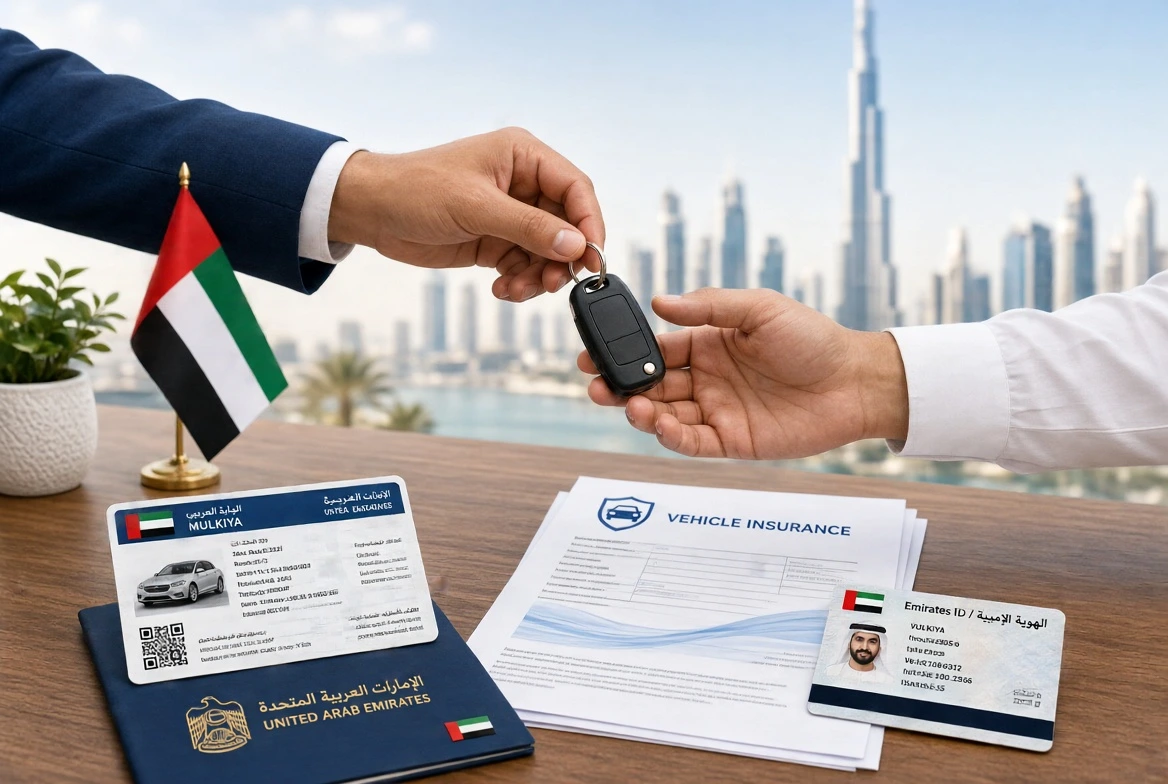
How to Sell Your Car in Abu Dhabi: The Complete Step-by-Step Guide
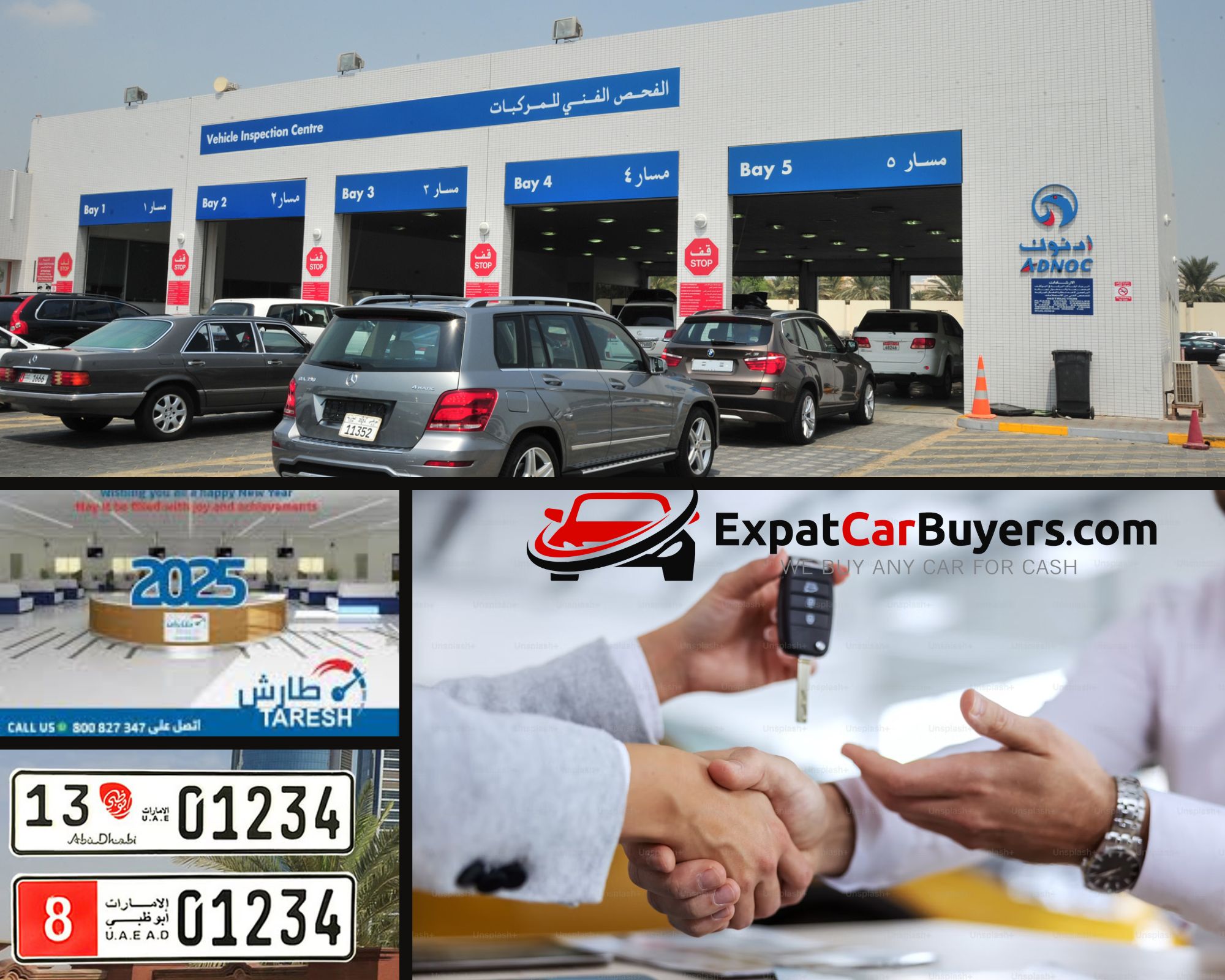
Most people in Abu Dhabi find the process of selling a car confusing at first. There are inspections to book, insurance details to settle, and several legal steps that must be followed before ownership can change.
The process becomes much easier once the order is clear. This 2026 guide explains each stage in a straightforward way, from preparing the car and clearing fines to completing the transfer through TAMM or an Abu Dhabi Police centre. It also outlines how to choose the right place to sell, how to protect yourself during payment, and what to do after the sale is finished.
Quick Summary: Key Steps at a Glance
Follow these steps to sell your car in Abu Dhabi in 2026:
Inspect and prepare your car for sale.
Clear any traffic fines or bank loans.
Gather all required documents.
Deactivate your ADNOC Smart Tag, Salik, and DARB accounts.
Meet the buyer and complete the transfer at a TAMM or Police service centre.
Cancel your insurance and request any refunds.
These steps ensure that your sale complies with UAE law and that you complete the process with peace of mind.
Before You Start: What to Do First
Handle a few basic checks before contacting potential buyers. A short preparation stage helps you avoid delays later and makes your car more appealing.
Check for outstanding traffic fines or loans. Use the TAMM app or Abu Dhabi Police website to confirm that no fines remain. Ownership transfer is not possible until all payments are cleared.
Get a car valuation. Visit online platforms such as Dubizzle or DubiCars to estimate your car’s current value. A realistic price range helps you attract serious buyers and avoid unnecessary negotiations.
Renew the vehicle registration if it has expired. A valid registration speeds up the transaction and builds trust with potential buyers.
Collect maintenance and service records. Buyers often ask for proof of care.
Inspect the vehicle’s basic condition. Replace any weak bulbs, wiper blades, or worn tires. A clean and functional car always draws more attention.
After completing these simple tasks, you can move forward with the practical steps: preparing the car for sale, selecting a selling method, and completing the legal transfer.
Step 1: Prepare Your Car for Sale
A well-prepared car attracts more buyers and often sells at a higher price. Start with a complete clean inside and out. Vacuum the seats, polish the exterior, and remove any personal belongings. A tidy car leaves a strong first impression and shows that you cared for it.
Check for small mechanical or cosmetic issues. Replacing worn wipers, fixing minor dents, or changing low-cost parts can raise your car’s value. If the headlights appear dull, restore their clarity before listing the car.
Gather all supporting documents, including the service history, previous inspection reports, and warranty papers if available. These records help buyers feel confident about the car’s condition.
An optional professional inspection before listing the vehicle can also help. It allows you to identify potential issues early and avoid last-minute surprises when the buyer requests a test or independent check.
Once your car looks its best and performs reliably, take clear photos in natural daylight. Capture several angles, including the front, back, sides, dashboard, and odometer. Quality photos and honesty about the car’s condition build trust from the start.
Step 2: Choose Where to Sell
Selecting the right selling method depends on how quickly you want to close the deal and how much effort you are willing to invest.
Private sale: A private sale usually brings the highest price. You deal directly with the buyer and have full control over negotiations. However, it requires time for listings, test drives, and discussions.
Dealership or trade-in: Selling through a dealer or trading in your car can save time. Dealers handle the paperwork and the transfer process, but the offer will likely be lower than the market price.
Online platforms: Websites such as Dubizzle, DubiCars, and CarSwitch reach thousands of buyers in Abu Dhabi. A clear description, accurate mileage, and good photos make your listing stand out. Be realistic with your asking price to attract serious interest.
Social media groups: Many local Facebook groups and community pages connect car sellers with buyers. Always meet potential buyers in a public location and avoid sharing personal documents online.
Once you decide where to sell, prepare to schedule viewings and communicate clearly about your car’s details. A professional tone and transparent information make buyers more willing to proceed with the sale.
Step 3: Get an Official Vehicle Inspection
An official vehicle inspection is required before the ownership transfer. The certificate confirms that your car meets Abu Dhabi’s road safety standards. Without it, the transfer cannot move forward.
Visit any ADNOC, Autoserv or other authorized testing centre to complete the inspection. The process usually takes less than an hour. The buyer normally pays for this step, but it is better to complete the inspection early to avoid delays later.
The inspection certificate remains valid for 30 days. A fresh report assures the buyer that the car is safe to drive and helps prevent last-minute issues during the transfer.
Most sellers choose the Light Vehicle Registration Office near Mushrif Mall, as it offers both inspection and transfer services in one location. Staff can guide you through the process and confirm the next steps once your vehicle passes.
Keep the certificate safe, along with your registration card and Emirates ID, since these documents will be required during the ownership transfer.
Common question: Can I do this online?
Answer: Yes, you can complete most steps through TAMM or the Abu Dhabi Police app. But for the Vehicle test you need to take the car to any nearby Vehicle Testing Center. Rest of the Procedure of transferring ownership you can do online.
Step 4: Handle Insurance and Smart Tags
Sort out insurance and toll accounts before the transfer to prevent future problems. The type of insurance you hold determines what action to take.
Comprehensive insurance cannot transfer to a new owner. You can contact your insurance company and request a refund for any unused months.
Third-party insurance may transfer to the buyer, but only if both parties agree and the insurer confirms eligibility. The buyer will need their Emirates ID, driving license, and your registration card to activate the transfer.
Deactivate all electronic toll and payment tags linked to your car:
ADNOC Smart Tag: Remove it through the app or visit an ADNOC service station if it is attached firmly.
Salik: Call 800-72545, provide your account number and PIN, and request deactivation or balance transfer.
DARB: Log in to the TAMM portal, update your bank details, and submit a refund request for any remaining balance.
Keep confirmation receipts for each cancellation.
Step 5: Gather All Required Documents
Every ownership transfer in Abu Dhabi requires specific paperwork. Have these items ready:
Emirates ID for both the buyer and the seller.
Vehicle registration card (Mulkiya) that confirms your ownership.
Vehicle inspection certificate issued within the last 30 days.
Valid insurance policy under your name or the buyer’s name if already transferred.
Bank clearance letter if your car was purchased with a loan.
Receipt of cleared traffic fines, which you can print or download through the TAMM or Abu Dhabi Police portal.
Organise the documents neatly in a folder or digital file to avoid unnecessary waiting once you reach the service centre.
Step 6: Meet the Buyer and Transfer Ownership
The most common site for meeting the buyer is the Light Vehicle Registration Office near Mushrif Mall, where inspection, insurance, and transfer services operate in one area. Other TAMM or Abu Dhabi Traffic Department centers across the city also handle the same procedure.
Follow these steps:
Confirm that the buyer has valid insurance for the car.
Agree on the full payment amount and receive it securely through a bank transfer.
Visit the Taresh Service counter and request the vehicle ownership transfer.
Present your Emirates IDs, vehicle registration card, and inspection certificate.
The buyer pays the transfer fee, which varies depending on the vehicle type.
The service centre issues a new registration card in the buyer’s name.
The process takes less than an hour if all documents are correct. Digital transfers through the TAMM or Abu Dhabi Police app are also available for certain vehicle categories. These online options save time but still require both parties to verify details electronically.
Once the new card is issued, your responsibility for the vehicle ends. Keep a copy of the transaction receipt as proof of completion.
Step 7: Cancel Insurance and Request Refunds
After the ownership transfer, your next task is to cancel your old insurance policy. This step prevents future charges and allows you to recover any unused premium balance.
Visit the same counter at the Taresh Service centre or contact your insurance provider directly. Ask for a Vehicle Insurance Cancellation Letter and attach the transfer receipt. Most insurers issue refunds within two weeks. The amount you receive depends on the remaining months on your policy.
If you transferred your third-party policy to the buyer, confirm that the insurer updated their records. Always request written confirmation to avoid disputes later.
You can also apply for refunds from your toll accounts:
DARB: Access your profile through the TAMM portal, add your bank account details, and submit a refund request.
Salik: Contact customer support to transfer the remaining balance to another account or family member.
Keep track of the refund status for both insurance and toll services. These small balances add up and close your obligations completely.
Step 8: Payment Safety and Avoiding Scams
Safe payment methods protect you from financial loss during the sale. Fraud attempts are common, especially when large sums are involved.
Always request bank transfers instead of cash or cheques. Transfers create a clear record that can be verified immediately. Release the vehicle only after the funds appear in your account.
Meet the buyer in secure and well-lit public areas, such as TAMM service centers or large petrol stations. Avoid completing the transaction in private parking lots or unfamiliar places.
Never share sensitive information such as your Emirates ID or vehicle registration details online before meeting the buyer. Use official platforms like Dubizzle or DubiCars, which offer verified communication channels and optional safety checks.
If a buyer offers to handle the process through an unknown agent or requests your digital documents upfront, decline politely. Authentic buyers understand that the legal process must happen in person at an authorized centre.
Step 9: Decide What Happens to the Plates
You must decide what will happen to the number plates before completing the ownership transfer. The process depends on whether you plan to keep the plate number, transfer it to the buyer, or cancel it. The transfer cannot move forward until the plates are handled correctly.
Here are the available options:
Keep the number plate for future use. If you want the number plate for a future car, remove the plates and surrender them at the service centre. The plate number is then reserved under your name. You can assign it to another vehicle later. This step must happen before the transfer.
Transfer the number plate to the new owner. If both parties agree that the buyer will keep the same plate number, the plates remain on the car. Inform the service centre during the transfer request. Physical submission of plates is not required in this case.
Cancel the number plate. If you do not want the plate number or do not plan to stay in the UAE, remove the plates and surrender them at the service centre before the transfer. Once cancelled, the plate number cannot be reassigned.
Confirm your decision early, as it affects the documents required at the counter.
Optional: Selling for Export or to Dealers
Some sellers prefer to sell their cars for export or through authorized dealerships instead of private buyers. This option suits those who want a quick transaction with less paperwork.
Dealerships and export agents often handle the entire process, including inspection, registration clearance, and transfer documentation. The main advantage is speed and convenience. The main drawback is a lower selling price compared to private listings.
If you choose to sell your car for export, confirm that the buyer or agent has the correct export license. Cars sold for export cannot remain registered in the UAE. The registration will be cancelled after the sale, so keep the export certificate or cancellation document for your records.
Many sellers prefer a service that handles everything from valuation to final transfer. You can explore options such as Expat Car Buyers for a quick and structured selling process in Abu Dhabi. The service provides an immediate inspection and offer, which helps you complete the sale without dealing with multiple buyers.
Dealers usually inspect the car on the spot and present an offer straight away. If the offer matches your expectation, the dealer completes the transfer through the TAMM or Abu Dhabi Police system on the same day.
Fees for Car Ownership Transfer (2026 Update)
The cost of transferring car ownership in Abu Dhabi depends on the type and category of the vehicle.
Vehicle Type | Transfer Fee (AED) |
Light private or public vehicle | 350 |
Motorcycle (personal use) | 200 |
Private heavy vehicle | 500 |
Public heavy vehicle | 700 |
Trailer or semi-trailer | 120–220 |
Bus (14–26 passengers) | 300–400 |
You can confirm the most recent fees on the TAMM website or through the Abu Dhabi Police app. Prices may change each year depending on regulations or service updates.
The buyer must also pay for the vehicle registration renewal at the same counter. This step is mandatory before receiving the new registration card.
Tip: Always double-check that your DARB and Salik accounts are closed before traveling or exporting your car. Refunds are easier to claim within 14 days of sale.
Final Thoughts
If you plan to sell another vehicle in the future, keep this guide as a reference. The same process applies each time, and understanding it in advance saves time, effort, and unnecessary stress.
Follow the official procedures, communicate clearly with buyers, and rely on verified channels.
FAQs
Can I sell my car if I still have unpaid traffic fines?
No. You must pay all outstanding fines before the ownership transfer. The TAMM system blocks the process until all payments are cleared.
Can I sell a financed car in Abu Dhabi?
Yes, but you must first obtain a bank clearance letter confirming that your auto loan has been settled. Without this document, the transfer cannot proceed.
Is it possible to transfer car ownership online?
Yes. Some vehicles qualify for digital transfer through the TAMM or Abu Dhabi Police platforms. Both parties must verify their details electronically to finalize the process.
How long does the car ownership transfer take?
The procedure usually takes less than one hour if all documents are valid and complete.
Can I cancel my insurance after the sale?
Yes. Visit your insurer or contact them online with your cancellation letter and transfer receipt. Refunds for the remaining period are typically processed within two weeks.
What is the safest way to receive payment?
Use a bank transfer during the transfer appointment. Avoid cash or cheques, and confirm that the funds appear in your account before handing over the keys.
Can I sell my car if I plan to leave the UAE soon?
Yes. Complete all required steps, including the transfer and tag deactivation, before departure. Keep digital copies of receipts in case follow-up communication is needed.
Where can I sell my car quickly in Abu Dhabi?
Authorized dealerships and online platforms such as Dubizzle or DubiCars offer fast listings and immediate buyer access. Dealerships such as ExpatCarBuyers provide quicker results, while private sales often bring higher prices.
Do I need to remove the number plates?
You can either keep the plates, cancel them, or transfer them to the new owner. The decision is yours.
What happens if I skip the inspection?
A valid inspection report is mandatory. Without it, the ownership transfer will be rejected. Always complete this step before visiting the service centre.
Ready to sell your car?
Don't wait months for a private buyer. Get your free valuation and immediate cash today.