Everything You Need to Know About Electric Car Resale Value in the UAE
Everything You Need to Know About Electric Car Resale Value in the UAE
The UAE is pushing for sustainability and cleaner transportation, driving rapid growth in the electric vehicle market. Many drivers are exploring eco-friendly options due to government incentives, increased environmental awareness, and a wider range of electric models. A move toward a more environmentally friendly automotive future is indicated by the growing prevalence of charging stations, particularly in places like Dubai and Abu Dhabi.
Despite this progress, electric vehicles (EVs) still make up a relatively small share of the UAE's total car market. Many buyers are still more comfortable with traditional gasoline vehicles, which have long dominated the region's roads. While EVs attract attention for their innovation and low operating costs, potential buyers often hesitate about long-term ownership—especially when it comes to understanding electric car resale value in the UAE.
One of the biggest questions for both buyers and sellers is the resale value of electric cars in the UAE. Many owners find that as the market evolves, electric vehicles depreciate more quickly than their gasoline-powered counterparts. This problem is now a hot topic among investors, dealers, and auto enthusiasts.
Understanding EV depreciation in the UAE is essential for anyone considering buying or selling electric cars in the UAE. Resale value affects not only affordability but also consumer confidence in the broader electric car market. For many, it can determine whether switching to electric truly pays off in the long run.
Let's explore why electric car resale values are generally lower in the UAE, how they compare to gasoline cars, and the main factors driving this difference. We'll also look at emerging trends that could influence the electric car market in the UAE in the years ahead.
Breaking Down What Affects Electric Car Resale Value
Resale value is the price a car fetches when sold after a few years of use. For car owners, it's a crucial measure of a vehicle's long-term value. A substantial resale value means the car retains a higher percentage of its original price, making it a better financial investment. In the growing electric car market in the UAE, understanding resale value helps prospective buyers assess whether an electric vehicle will retain its value compared to conventional gasoline-powered models.
Several key factors influence a car's resale value. Brand reputation is important. Buyers have more confidence in established names. It helps those vehicles maintain stronger resale values. The vehicle's condition, mileage, and service record are also vital. Cars with fewer kilometers, clean accident histories, and consistent maintenance tend to sell for higher prices. Market demand also matters - when more buyers are looking for a particular model, its resale price naturally increases.
However, electric cars add a few unique variables to the equation. The most significant factor is battery health. Since the battery is the heart of an EV, its performance and remaining life directly affect the car's market value. Warranty coverage for the battery or the overall system can also affect buyer confidence. Additionally, software updates and advanced features such as autonomous driving or energy-efficiency improvements can either maintain or reduce value.
Unlike gasoline cars, EVs have a more unpredictable depreciation curve. Traditional vehicles lose value steadily over time. But when an electric car's battery warranty is about to expire, it can quickly lose value. A lack of market knowledge and rapid technological advancements drive this more rapid decline in value. This difference explains why electric car resale values in the UAE often lag behind those of gasoline models.
Comparison: Resale Value of Electric vs Gasoline Cars
Factor | Electric Cars | Gasoline Cars |
Average Depreciation (First 3 Years) | 45–50% | 30–35% |
Battery/Engine Impact | The condition of the battery significantly impacts the car's resale value; replacements can cost up to half as much. | It is easier and less expensive to maintain; engine wear reduces value. |
Maintenance Costs | Lower day-to-day maintenance costs, but more expensive battery repairs or replacements. | Higher routine maintenance but predictable costs over time. |
Market Demand | Limited used EV market; buyers are often hesitant. | High demand and steady resale market. |
Buyer Perception | Concerns about battery life, charging, and brand reliability. | Familiar technology; higher consumer confidence. |
This comparison highlights the gap in resale value of electric and gasoline cars, showing that EVs tend to depreciate faster due to several market factors. When comparing EV depreciation in the UAE to gasoline vehicles, the difference is clear. Studies and dealership reports show that most electric cars lose nearly half their value within the first three years, while gasoline cars depreciate at a slower rate—about one-third over the same period.
This faster decline stems from factors such as rapid technological change, limited charging infrastructure, and high battery replacement costs. For example, a five-year-old electric sedan may sell for nearly 40% of its original price, while a similar gasoline model might retain up to 60%.
A closer look at brand performance also reveals contrasts. Well-established EV brands such as Tesla tend to maintain resale value better due to their global reputation and reliable battery warranties. However, many Chinese EV brands in the UAE lose value more quickly due to weak consumer trust and concerns about long-term durability. Dealership data often show these vehicles sitting longer on used-car lots, further lowering their resale appeal.
One of the most important factors influencing these trends is buyer perception. Many UAE car buyers still prefer gasoline-powered cars because they are familiar, easy to maintain, and supported by an extensive network of refueling stations. In contrast, some potential EV buyers worry about finding charging stations and the possibility of running out of battery, especially when traveling longer distances. These beliefs affect consumer demand and lower the value of electric vehicles when they are sold.
As the electric car market in the UAE continues to grow, changing consumer attitudes and improved infrastructure could narrow this gap. But for now, most buyers see gasoline vehicles as the safer and more predictable investment when it comes to resale and depreciation.
Key Reasons Why Electric Cars Lose Value Faster
Limited Charging Stations and Convenience Issues
The UAE's charging network is expanding, but it still doesn't match the convenience of regular gas stations. Many EV owners struggle to find nearby chargers, especially those living outside major cities like Dubai and Abu Dhabi. For drivers accustomed to quick refueling, long charging times make things even less convenient. This limited access affects buyer confidence, which in turn lowers the resale value of electric vehicles in the United Arab Emirates. Potential buyers of used cars often hesitate to invest in vehicles that may be hard to fit into their daily routines.
High Insurance Costs and Limited Insurer Options
Insurance also contributes to the depreciation of EVs in the UAE. Electric cars are often more complex to repair after an accident than gasoline vehicles. This is due to their complex electronics and specialized parts. EV coverage is still hesitantly offered by many insurance companies, which charge higher premiums for limited coverage. As a result, used EV buyers take these recurring expenses into account, which reduces the car's appeal and resale value.
Battery Degradation and Replacement Expense
The most significant contributor to low resale value is the EV battery. Over time, all batteries degrade, losing capacity and driving range. In hot climates like the UAE, battery wear can accelerate due to extreme temperatures. Replacing a worn-out battery can cost up to half the car’s original price, making it an unattractive proposition for buyers. Even when warranties are available, uncertainty about future battery health discourages investment, leading to faster depreciation compared to gasoline vehicles.
Poor Build Quality of Low-Cost Chinese EVs
Many electric vehicles entering the UAE market are from emerging or lesser-known Chinese manufacturers. While they offer affordability, their long-term reliability, safety features, and material quality often fall short of consumer expectations. Reports of early wear, performance issues, and poor after-sales service have created skepticism in the resale market. As a result, these brands experience steep price drops soon after purchase, reinforcing the perception that EVs don’t hold value well.
Uncertainty About Long-Term Reliability and Resale Market
Electric cars are still relatively new in the UAE’s automotive landscape. Buyers and dealers alike are uncertain about how well these vehicles will perform over long periods. The used EV market is small, making price comparisons and resale predictions difficult. Until there’s more historical data and consumer confidence, this uncertainty will continue to weigh on electric car resale prices. For many buyers, a gasoline vehicle still feels like a more stable investment.
Market Insight: UAE-Specific Challenges
Consumer Hesitation Toward Used EVs
One of the biggest obstacles to a flourishing used-electric-car market in the United Arab Emirates is still consumer hesitancy. Due to the country's hot climate, many prospective buyers are concerned about battery health, limited charging options, and overall performance. Because electric vehicles are still new to most drivers, people tend to prefer new models with full warranties rather than risk purchasing a pre-owned EV. This hesitation reduces demand, forcing sellers to lower prices and accept steeper depreciation.
Lack of an Established Second-Hand EV Market
Compared to the well-established gasoline car resale market, the used EV market in the United Arab Emirates is still in its infancy. Used EVs are the specialty of very few dealers, and setting fair prices in the absence of market data is difficult. Buyers and sellers often lack benchmarks for determining value, leading to inconsistent and undervalued offers. Without an active resale ecosystem, depreciation remains high, discouraging more owners from selling their vehicles at reasonable rates.
Government Incentives Favor New Buyers
Government incentives in the UAE have been instrumental in encouraging EV adoption, but most of these benefits apply only to new car purchases. Discounts on registration, free parking, and charging perks primarily support first-time buyers rather than the resale market. As a result, used EVs don't enjoy the same level of appeal or cost-saving advantages. This policy gap indirectly contributes to lower resale prices, as buyers find new EVs more attractive and financially rewarding than second-hand options.
Signs of Change in the UAE’s Electric Car?
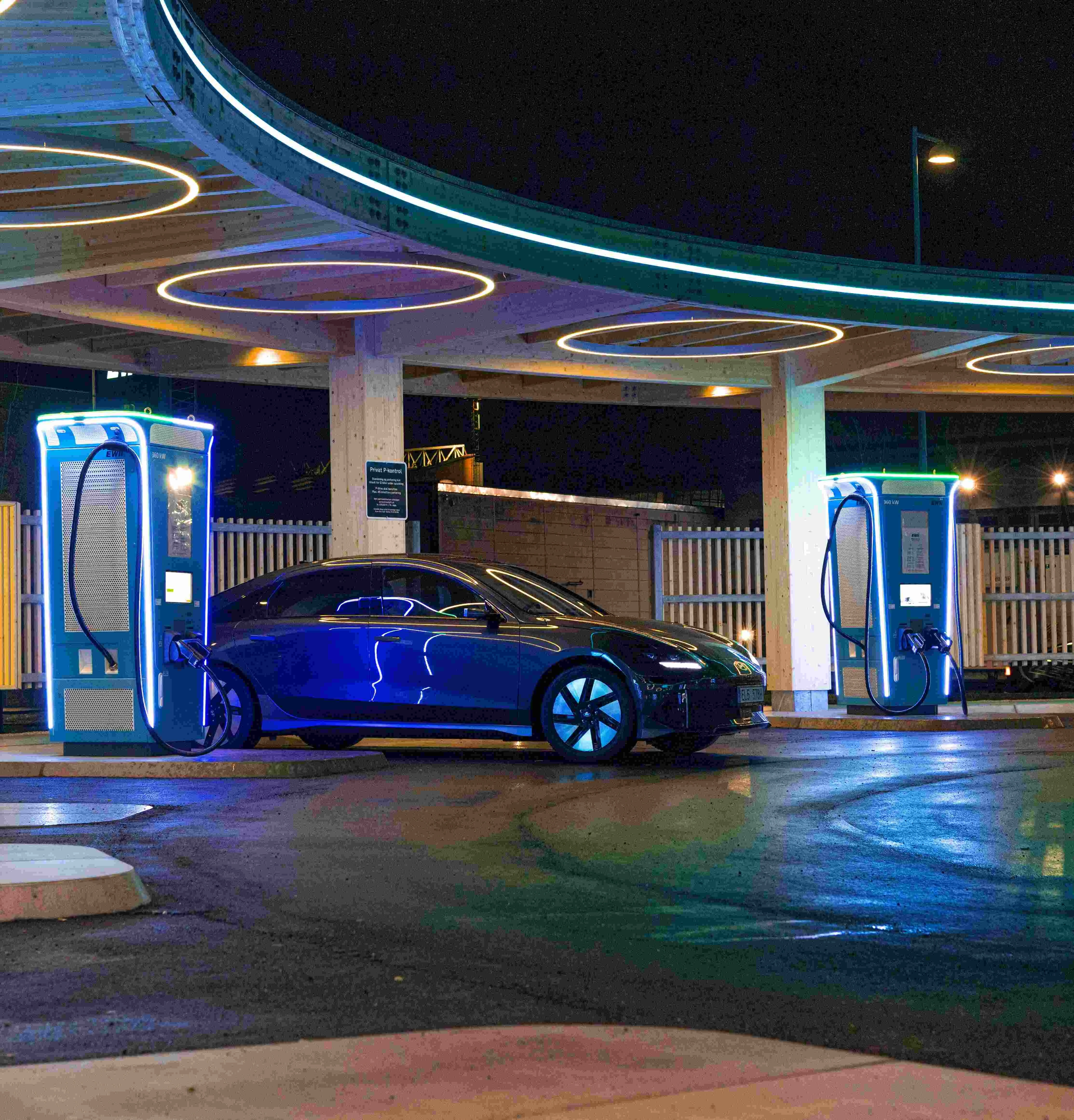
Although there are still obstacles to overcome, the ecosystem for the electric car market in the United Arab Emirates is showing signs of improvement. New fast-charging stations are being installed in public parking lots and along major highways as part of the government's ongoing investment in charging infrastructure. This expanding network is lowering range anxiety and increasing the viability of EV ownership for both long-distance and daily commutes.
Premium brands are also helping reshape market perceptions. Automakers like Tesla, BMW, and Audi are introducing advanced EV models with stronger performance, longer battery life, and reliable after-sales support. These brands tend to retain value better than lower-cost competitors because buyers trust their technology and longevity. In the resale market, a used Tesla or BMW i4, for example, often fetches a higher price than lesser-known models.
Consumer awareness is improving as well. More residents are becoming familiar with EV maintenance, charging, and warranty terms. Eventually, resale demand may level off as confidence rises. These advancements could subsequently narrow the price gap between gasoline and electric cars, opening the door to a more sustainable and equitable electric-car market in the United Arab Emirates.
Wrapping Up: EV Resale Trends and What to Expect Next
Government initiatives are driving the rapid expansion of the UAE's electric vehicle market. At the same time, growing public awareness of eco-friendly transportation is encouraging more people to consider EVs. Understanding electric car resale value in the UAE is becoming increasingly important for both buyers and sellers.
Nevertheless, despite these developments, the resale value of electric and gasoline-powered cars still differs noticeably. Due to the UAE's high battery costs, limited insurance coverage, and a charging network still in its infancy, electric vehicles depreciate more quickly. These obstacles prevent the used EV market from realizing its full potential and make consumers wary.
At the same time, improvements are on the horizon. Infrastructure projects are expanding, and trusted brands like Tesla and BMW are proving that well-built electric cars can hold value better. Buyer confidence is expected to increase as technology stabilizes gradually and more charging stations are added, thereby boosting resale rates.
Ready to sell your car?
Don't wait months for a private buyer. Get your free valuation and immediate cash today.